Imagine this: It’s 2 a.m. and your phone blares an emergency alert. A wildfire is cutting through your county, and authorities are ordering mandatory evacuations. You have five minutes — maybe less — to get out. You grab your keys, your go-bag, your kids… and then you look at your dog sitting in the hallway, tail wagging, completely unaware of what’s happening.
Do you have what you need to keep him safe?
For millions of pet owners, that question doesn’t have a good answer — not because they don’t love their animals, but because pet disaster preparedness simply never made it to the to-do list. According to FEMA and Ready.gov, pets are a critical part of any household emergency plan, yet the vast majority of families have no dedicated emergency go-bag for their furry family members. The American Red Cross echoes this concern, noting that failing to plan for pets is one of the most common — and most heartbreaking — oversights in disaster readiness.
This guide is here to change that.
Whether you’re building a DIY pet survival kit from scratch or looking for the best pre-made pet emergency kit to buy, you’ll find everything you need right here: a complete checklist, product recommendations, disaster-specific tips, and a step-by-step evacuation plan for pets of every size and species. Because protecting your furry family member when disaster strikes isn’t optional — it’s one of the most important things you can do as a pet owner.
Why You Need a Dedicated Pet Emergency Kit
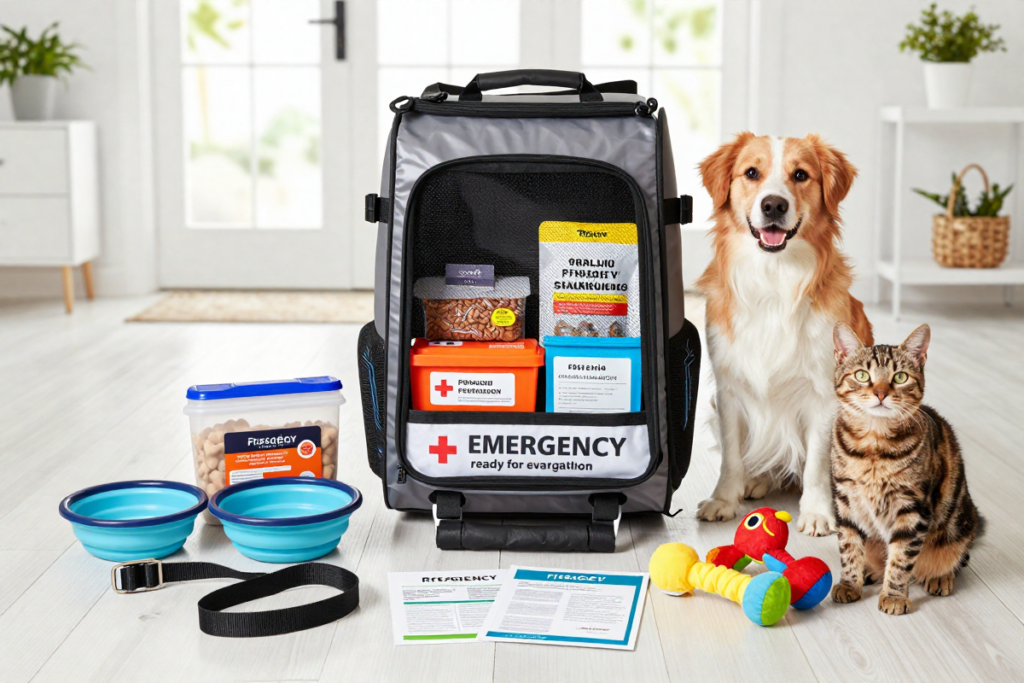
You might already have a human emergency kit stocked in your closet. So why do you need a separate one for your pet?
The short answer: because your needs and your pet’s needs are completely different, and mixing them into one bag is a recipe for confusion when every second counts.
A dedicated pet emergency kit — sometimes called a pet bug-out bag, pet go bag, or pet readiness pack — keeps all of your animal’s critical supplies organized, accessible, and ready to grab in a single motion. Think about it: your pet eats different food, takes different medications, requires different sanitation supplies, and needs species-specific gear like carriers, harnesses, and litter trays. None of that belongs lumped in with your granola bars and emergency radio.
There’s also a logistical reality that every pet owner needs to understand: many public emergency shelters do not accept animals. If you’re forced to evacuate to a community shelter, you may need to arrange separate accommodations for your pet — at a pet-friendly hotel, a boarding facility, or a designated animal emergency shelter. Having a highly portable, self-contained pet safety kit makes that flexibility possible.
Finally, there’s the peace-of-mind factor. Pet emergency preparedness isn’t just about surviving the disaster — it’s about going through it without panic. Knowing your pet’s food, medications, documents, and comfort items are already packed and ready transforms a chaotic evacuation into a manageable one.
Pre-Made vs. DIY Pet Evacuation Kits: Which Is Best?
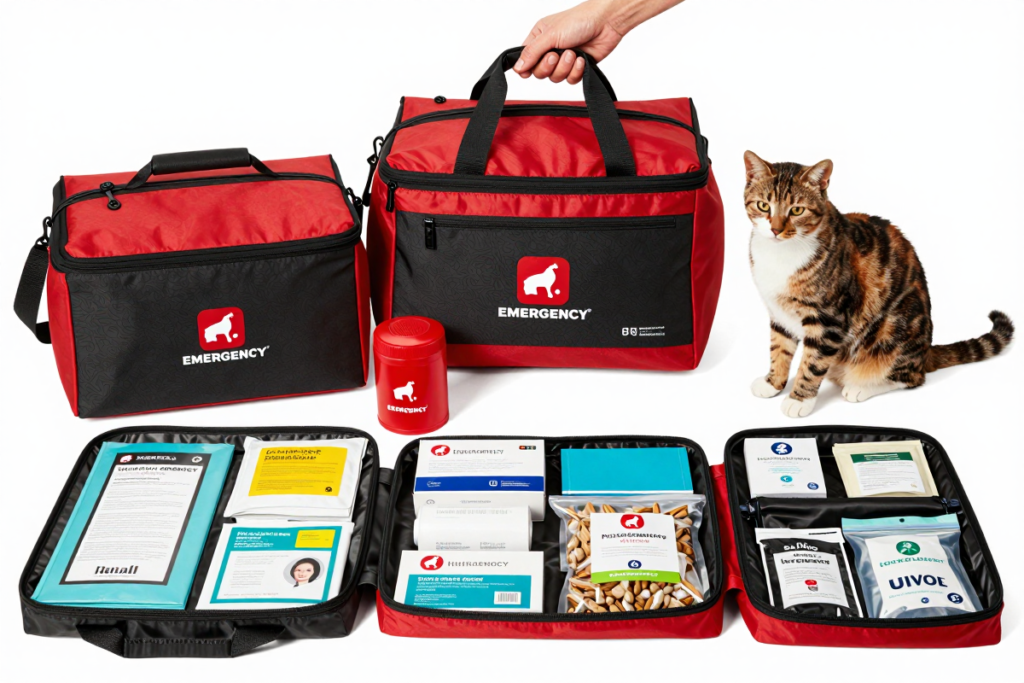
One of the first decisions you’ll face is whether to buy a ready-made pet emergency kit or build your own from scratch. Both approaches have real merit, and the best choice depends on your timeline, budget, and your pet’s specific needs.
Pre-Made Pet Emergency Kits: Pros & Cons
Pros: Fast and convenient; everything is already assembled and often stored in a purpose-built bag; great as a starter kit or backup.
Cons: May not account for your pet’s size, dietary restrictions, or medical history; some kits contain low-quality components; food portions may be insufficient for large breeds.
DIY Pet Evacuation Kits: Pros & Cons
Pros: Fully customized to your pet’s weight, age, breed, and health needs; you control the quality of every item; more cost-effective over time.
Cons: Takes more time and planning upfront; easy to forget critical items without a structured checklist.
Our recommendation: Start with a quality pre-made kit as your foundation, then supplement it with custom items specific to your pet. Here are three top-rated options worth considering:
| Kit Name | Best For | Key Features | Price Range |
|---|---|---|---|
| [Ready America Deluxe Pet Emergency Kit] | Dogs & Cats | Includes food, water pouches, leash, basic first aid supplies | $$ Check Link (Amazon) |
| [Pet Evac PAK Dog & Cat Kit] | Multi-Pet Households | Premium go bag, heavy-duty supplies, expandable storage | $$$ Check Link (Chewy) |
| [Adventure Medical Kits – Me & My Dog] | Outdoor & Portability | Comprehensive first aid, lightweight design, trail-tested | $ Check Link (Amazon) |
The Ultimate DIY Pet Evacuation Kit Checklist

This is the heart of your pet disaster preparedness plan. Work through each category below and use it as your DIY pet emergency kit checklist. We’ve also noted affiliate product opportunities throughout so you can shop smart.
1. Water & Food Supplies (The Essentials)
The most important question pet owners ask when building a kit is: how long should my pet’s emergency food supply last? The baseline answer from emergency management authorities is a minimum of 72 hours, but FEMA recommends planning for up to 7 to 10 days if space and budget allow. Disasters rarely resolve in a weekend, and supply chains — including pet food stores — can remain disrupted for days.
Food Checklist:
- ☐ 7–10 days of shelf-stable pet food (canned, freeze-dried, or vacuum-sealed)
- ☐ Manual can opener (if using canned food)
- ☐ Portable pet food container with an airtight seal
- ☐ Single-serve food packets for easy portioning during travel
- ☐ High-value treats (useful for stress relief and training compliance during chaos)
Water Checklist:
- ☐ At least 1 liter of water per day per pet (more for large dogs)
- ☐ Collapsible water bowl for travel and tight spaces
- ☐ Water purification tablets as a backup
🛒 Build Your Kit: Freeze-Dried Shelf-Stable Pet Food, Collapsible Silicone Dog Bowl, Portable Airtight Pet Food Container
2. Medical, First Aid & Sanitation
A pet first aid kit is not the same as a full pet evacuation kit, but it absolutely needs to be inside one. Medical emergencies don’t wait for disasters to pass, and access to a veterinary emergency clinic may be limited or impossible in the immediate aftermath.
Pet First Aid Kit Essentials:
- ☐ Sterile gauze pads and self-adhesive bandage wrap
- ☐ Antiseptic wipes and wound spray (pet-safe formula)
- ☐ Blunt-tip scissors and tweezers (for splinters, debris, or tick removal)
- ☐ Digital thermometer
- ☐ Sterile eye wash
- ☐ Latex or nitrile gloves
- ☐ Muzzle (even the gentlest pets may bite when injured and frightened)
- ☐ Emergency pet first aid reference card or booklet
Medications:
- ☐ A minimum 7-day supply of any prescription pet medications stored in labeled, waterproof containers
- ☐ Flea, tick, and heartworm prevention supplies
- ☐ Pet-safe calming spray or chews for anxiety management
- ☐ Written copy of all prescriptions and dosing instructions
Pro Tip: Check prescription medication expiration dates every six months and rotate stock accordingly. Set a calendar reminder for spring and fall.
Sanitation Supplies:
- ☐ Pet waste disposal bags (at least 25–30)
- ☐ Portable or disposable litter tray (cats)
- ☐ Small bag of cat litter
- ☐ Waterless pet shampoo or grooming wipes
- ☐ Paper towels and small trash bags
🛒 Add These Items: Pet-Specific First Aid Kit, Pet Calming Spray or Chews, Waterless Pet Shampoo, Disposable Cat Litter Tray
3. Gear, Restraint & Travel Equipment
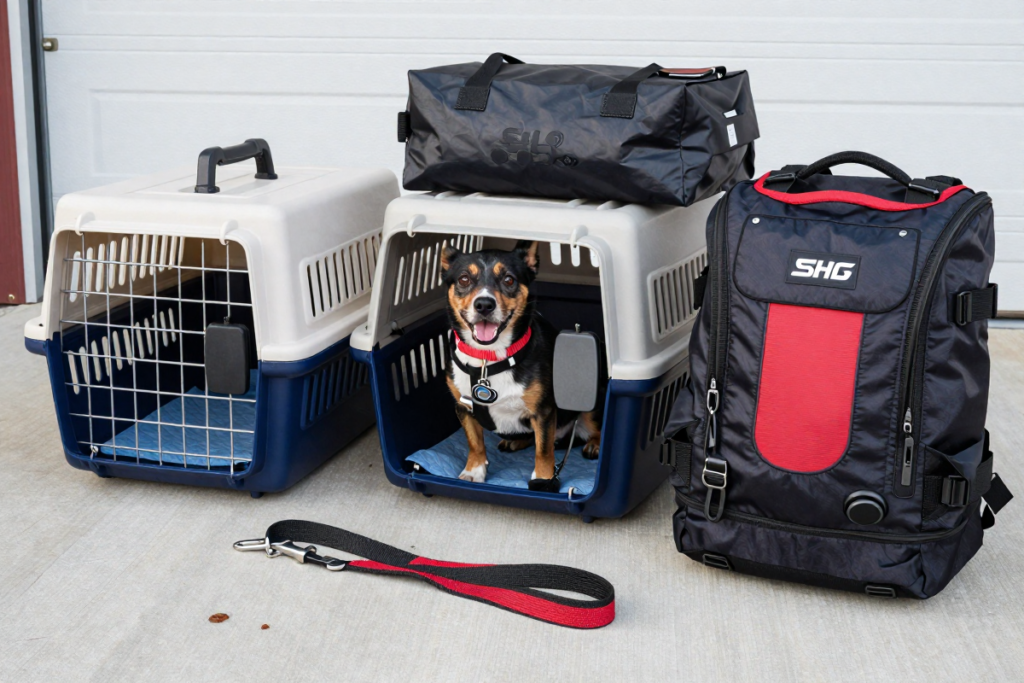
Stressed pets behave unpredictably. A dog that walks calmly on a standard collar every day may slip free of it in a moment of panic. A cat that’s normally relaxed in your arms can become a flight risk the instant she smells smoke. Your restraint and travel gear needs to be secure, redundant, and sized correctly.
Restraint & Travel Checklist:
- ☐ Heavy-duty leash (6-foot minimum; consider a tactical or hands-free leash)
- ☐ Secure fitting harness (a properly fitted harness is far more escape-proof than a collar alone)
- ☐ Backup collar with current ID tags attached
- ☐ Hard-sided or soft-sided carrier sized for your pet to stand and turn around comfortably
- ☐ Zip ties or bungee cords to secure crate doors (standard latches can pop open during transport)
- ☐ Waterproof pet emergency bag or dry bag to protect all supplies
Carrier Sizing Tip: Your pet’s carrier should be large enough for them to stand, turn around, and lie down. Practice letting your pet spend time in it before an emergency so the space feels safe, not threatening.
🛒 Affiliate Opportunities: [Affiliate Placeholder: Heavy-Duty Tactical Dog Harness], [Affiliate Placeholder: Collapsible Travel Pet Carrier], [Affiliate Placeholder: Hard-Sided Pet Crate], [Affiliate Placeholder: Waterproof Emergency Dry Bag]
4. Critical Documents & Identification
In the chaos of an evacuation, lost pets are tragically common. Having the right documentation can mean the difference between a quick reunion and a permanent separation.
Documents to Store in a Waterproof Document Bag:
- ☐ Current vaccination records (required by most boarding facilities and shelters)
- ☐ Microchip registration number and associated contact info
- ☐ Recent, clear photos of your pet — both alone and with you (to prove ownership)
- ☐ Veterinarian contact information and medical history summary
- ☐ Copies of any prescription documentation
- ☐ Emergency contact list including a backup caretaker
Microchipping Reminder: If your pet isn’t microchipped, schedule it now — not after the next hurricane warning. Microchip registration is one of the single most effective pet loss prevention tools available. Make sure the registration is current and linked to your active phone number.
🛒 Must Haves: Waterproof Document Bag/Organizer, Pet ID Tag Custom Tags
5. Comfort & Stress Reduction Items
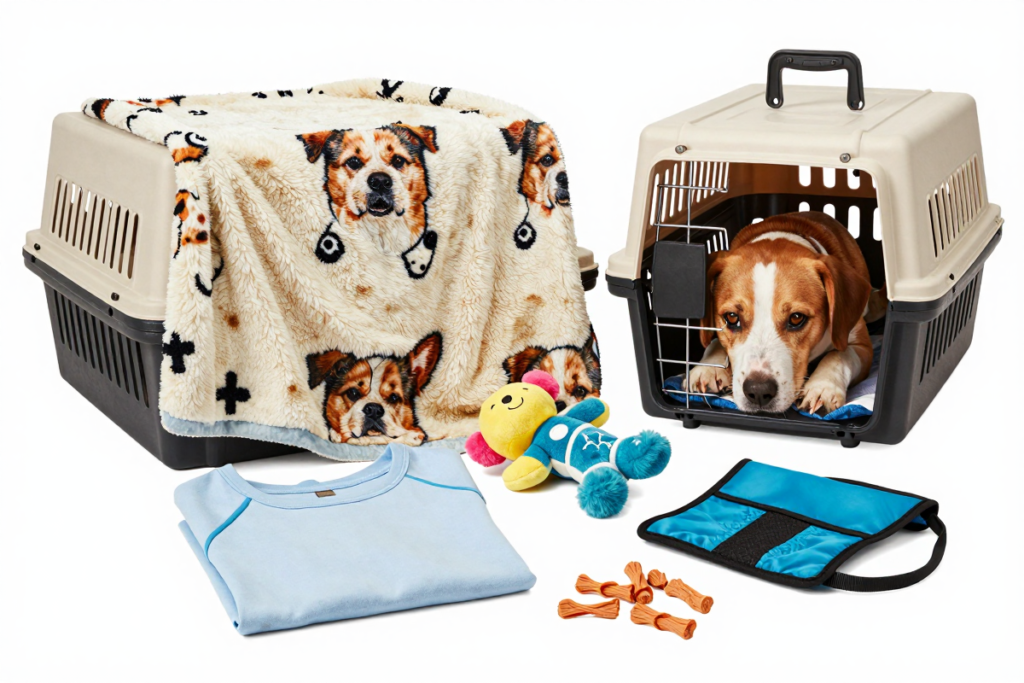
Pet anxiety during emergencies is real and serious. Unfamiliar smells, loud sirens, crowded conditions, and disrupted routines can trigger intense fear responses in even the most easygoing animals. Packing a few comfort items for stressed pets costs almost nothing but can make an enormous difference in their wellbeing — and yours.
Comfort Kit Checklist:
- ☐ A small blanket or worn t-shirt that carries your scent
- ☐ One or two familiar toys
- ☐ Anxiety wrap or calming vest (especially helpful for thunder- or noise-phobic dogs)
- ☐ Calming chews or treats
- ☐ Familiar-smelling bedding (a small piece, not a full dog bed)
🛒 Pet Care Items To Add: Thundershirt Anxiety Vest for Dogs, Pet Calming Chews, Calming Spray
Tailoring Your Kit: Pet-Specific Needs
A one-size-fits-all approach doesn’t work when it comes to pet disaster preparedness. Here’s how to customize your kit based on the animal you’re protecting.
Dog Evacuation Kits
Dogs — especially large breeds — have specific needs that go beyond the basics. Large breed dogs require significantly more water than small dogs (a 70-pound Labrador needs far more than a 10-pound terrier), and may need protective gear in disaster environments.
Dog-Specific Add-Ons:
- Dog booties or paw protectors (for hot pavement, sharp debris, or chemical spills)
- Extra-long or heavy-duty leash for unpredictable environments
- Elevated food and water bowls if your dog has orthopedic issues
- Senior dog emergency evacuation considerations: orthopedic support, extra medications, mobility aids
🛒 Extras To Add: Dog Paw Protector Boots, Orthopedic Travel Dog Bed
Cat Evacuation Kits
Cats are masterful escape artists under normal circumstances. Under stress, they become nearly impossible to contain without proper equipment. The cat emergency evacuation bag and carrier are the most critical investments a cat owner can make.
Cat-Specific Add-Ons:
- Secure, hard-sided carrier with a top-loading door (easier to place a reluctant cat inside)
- Pillowcase as a backup containment tool for emergency handling
- Familiar litter brand (cats can refuse to use unfamiliar litter, causing health issues)
- Feliway calming spray applied to the carrier 15–30 minutes before travel
🛒 For The Cats: Hard-Sided Top-Loading Cat Carrier, Feliway Travel Calming Spray
Small Animals, Birds & Exotics
Birds, rabbits, reptiles, and other exotic pets have unique needs that standard pet kits don’t address at all.
Exotic Pet Considerations:
- Birds: Insulated travel cage, dark cloth cover to reduce stress, extra seed and pellet food, temperature regulation supplies
- Reptiles: Chemical hand warmers or heat packs to maintain body temperature, secure ventilated travel container, fresh water and species-appropriate food
- Rabbits: Secure ventilated carrier, hay supply, water bottle, familiar bedding material
Important Note: Check with your local county emergency management office in advance to identify whether exotic pets are permitted at pet-friendly emergency shelters in your area, as policies vary widely.
How to Create Your Pet Evacuation Plan

Having a fully stocked pet emergency kit is only half the equation. Without a plan of action, even the best gear won’t help you if you’re paralyzed trying to make decisions under pressure. Here’s how to build a simple, effective evacuation plan for pets:
Step 1: Know Where You’re Going Identify at least two pet-friendly hotels along your most likely evacuation routes before disaster season begins. Websites like BringFido and GoPetFriendly are excellent resources. Additionally, locate the nearest veterinary emergency clinic and boarding facility outside your immediate area. Save all of these numbers and addresses in both your phone and your waterproof document bag.
Step 2: Establish a Buddy System What happens if you’re at work when a mandatory evacuation order is issued? Arrange with a trusted neighbor, friend, or family member to retrieve your pet if you can’t get home in time. Give them a key, make sure they know where your pet evacuation kit is stored, and share your designated meeting location.
Step 3: Practice This step is consistently overlooked. Conduct occasional evacuation drills with your pet — load them into their carrier, put them in the car, and take a short drive. This helps desensitize them to the experience so it’s far less traumatic when it matters. For dogs, practice “carrier loading” as a trick with treats so the crate feels like a positive space rather than a punishment.
Disaster-Specific Preparedness Guide
Different emergencies call for different gear. Here’s a rapid-reference breakdown by disaster type:
Hurricanes & Flooding Stock waterproof dry bags to protect all kit contents. Consider a floating pet carrier if you’re in a flood-prone zone. Prepare for extended power outages by including battery-powered fans, extra water, and shelf-stable food well beyond 72 hours. A pet evacuation kit for hurricanes should also include waterproof copies of all documents and a hand-crank emergency radio.
Wildfires Speed is everything in wildfire evacuation — your pet go-bag must be in a single, grab-ready location at all times during fire season. Consider a carrier cover with ventilation designed to reduce smoke inhalation. Know your evacuation routes in multiple directions, as wildfires can cut off roads rapidly. The ASPCA recommends having your car pre-loaded during active fire watches.
Winter Storms & Extreme Cold Add thermal Mylar emergency blankets, self-heating pads, and extra high-calorie food to your kit. Cold weather increases caloric demands for dogs. Pets with short coats or low body fat (greyhounds, small breeds) are particularly vulnerable and may need additional insulating layers.
Earthquakes & Tornadoes Focus on shelter-in-place preparedness as well as evacuation. Store your pet emergency kit in an interior room or basement if possible. Include a heavy-duty pair of work gloves for moving debris safely to reach your pet if they become trapped.
Frequently Asked Questions (FAQs)
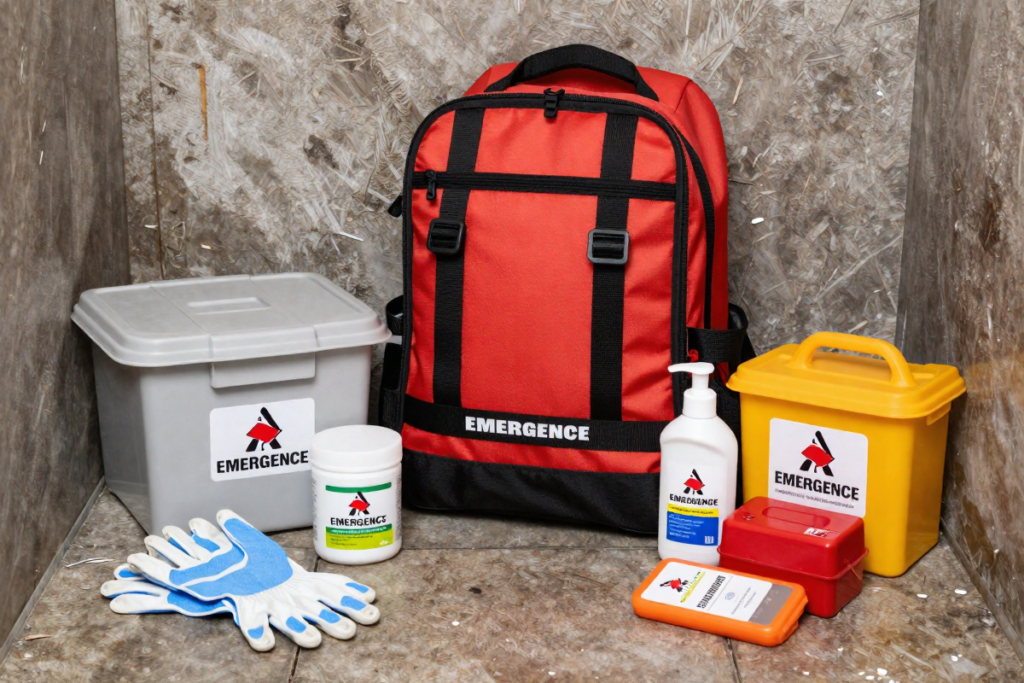
Q: What is the difference between a pet first aid kit and a pet evacuation kit? A pet first aid kit focuses specifically on treating injuries and medical issues — bandages, antiseptics, tweezers, and similar supplies. A pet evacuation kit is a comprehensive grab-and-go bag that contains everything your pet needs to survive for 72 hours or more, including food, water, travel gear, documents, and first aid supplies as one component.
Q: How long should my pet’s emergency food supply last? Your pet’s emergency food supply should last a minimum of 72 hours, though FEMA and most emergency preparedness authorities recommend packing 7 to 10 days of food and water whenever possible. Disasters and their aftermath can disrupt supply chains for far longer than people expect.
Q: How often should I update or rotate my pet evacuation kit? Inspect and rotate your pet’s emergency kit at least every six months — a convenient habit is to do it when you change your smoke detector batteries. Check food and medication expiration dates, verify that documents and vaccination records are current, and confirm that your pet’s gear still fits properly, especially for growing puppies or kittens.
Q: Where can I take my pet if I have to evacuate? Map out pet-friendly hotels along your evacuation routes using resources like BringFido.com before disaster strikes. Contact local boarding facilities outside your immediate area to ask about emergency policies. You can also check with your county emergency management office for designated pet-friendly disaster shelters, as many communities now operate them in coordination with local humane societies.
Q: Should I microchip my pet as part of emergency preparedness? Absolutely. Microchipping is one of the most effective and permanent forms of pet identification available. Unlike collars and ID tags, a microchip cannot fall off or be removed. Ensure your pet’s microchip registration is up to date with your current phone number and address — an outdated registration is nearly as useless as no chip at all.
Conclusion: Don’t Wait for the Siren to Sound
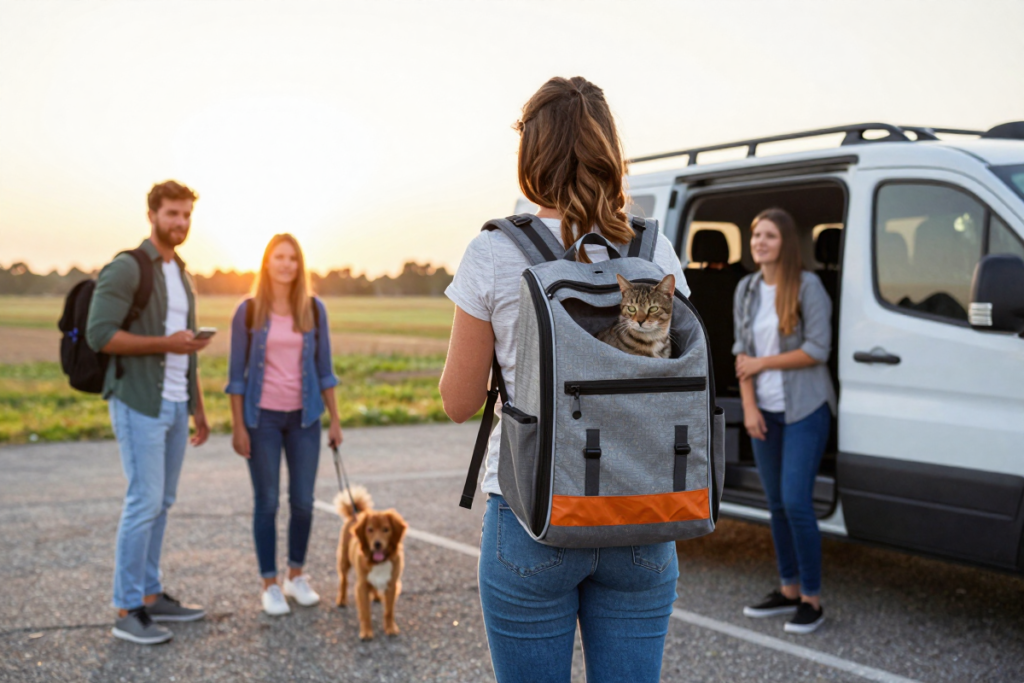
Natural disasters don’t schedule appointments. Wildfires, hurricanes, floods, and earthquakes can escalate from “watch” to “evacuate now” in a matter of minutes, and in those moments, preparation is the only thing that separates a manageable crisis from a devastating one.
Your pets are family. They depend entirely on you to keep them safe when disaster strikes — and that responsibility begins right now, not when the emergency alert goes off.
Build it or buy it. Customize it for your dog, cat, bird, or rabbit. Practice loading your pet into the car. Know where you’re going.
Don’t wait for the siren to sound. Build your pet’s go-bag today.
Sources and further reading: FEMA Emergency Preparedness for Pets | American Red Cross Pet Safety | ASPCA Disaster Preparedness | Humane Society Emergency Preparedness Guide
Disclaimer: This article contains affiliate links. If you purchase an item through the link I will earn a small commission at no extra cost to you.
No Responses