There’s a particular kind of worry that doesn’t announce itself loudly. It settles in quietly — during a late-night phone call when Mom sounds confused, or when you visit Dad and notice the scorched pot sitting on the stove. You wonder: Is my parent actually safe living alone? And you feel guilty for wondering.
If that sounds familiar, you’re not alone. Millions of adult children are navigating the delicate balance between honoring their aging parent’s independence and keeping them genuinely safe. The good news? You don’t have to choose between the two. With the right knowledge, the right home modifications, and the right tools, aging in place safely is absolutely achievable.
The stakes are real. According to the CDC, falls are the leading cause of fatal and non-fatal injuries among older adults in the United States, with statistics on elderly falls at home showing that one in four Americans aged 65 and older falls each year. Yet most of those falls — and many other home safety risks — are preventable.
This comprehensive elderly care safety guide walks you through everything you need to know: from assessing your parent’s current level of independence to senior-proofing every room in their home, managing medications safely, leveraging smart technology, and protecting them from exploitation. Think of it as your complete elderly care checklist, organized so you can take action starting today.
1. The Safety Assessment: Is It Safe for Your Elderly Parent to Live Alone?
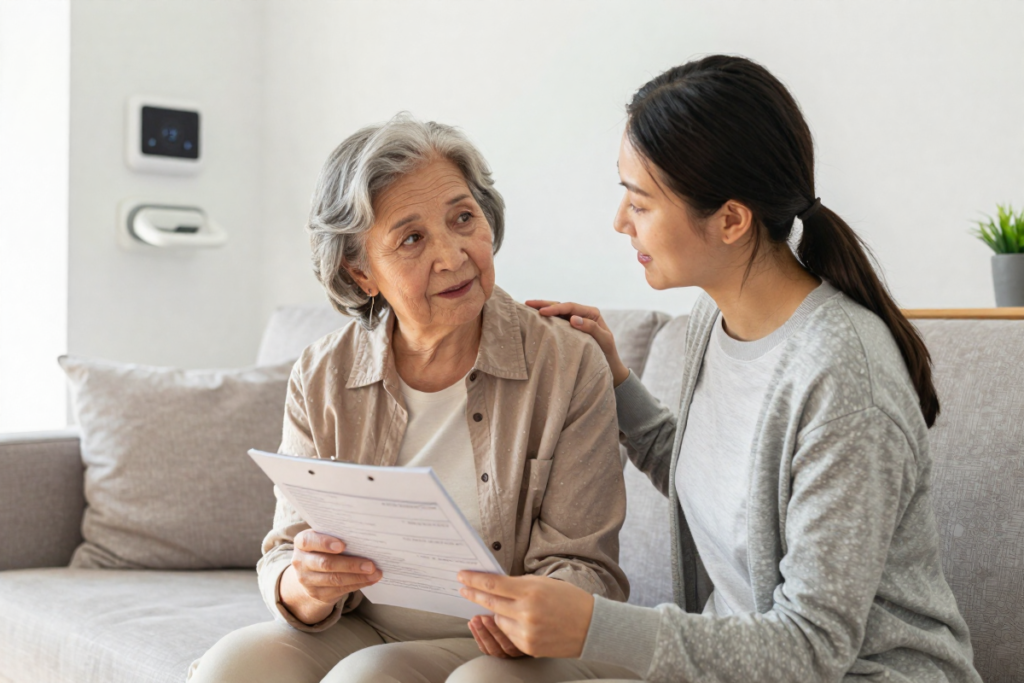
Before diving into specific modifications and products, start with an honest evaluation. How do I keep my elderly parent safe at home? The answer begins with understanding exactly where they stand right now.
Understanding Activities of Daily Living (ADLs) vs. IADLs
Healthcare professionals use two frameworks to measure an older adult’s functional independence:
Activities of Daily Living (ADLs) are the fundamental self-care tasks required to get through each day:
- Bathing and personal hygiene
- Dressing and grooming
- Eating independently
- Transferring (moving from bed to chair, etc.)
- Continence management
- Toileting
Instrumental Activities of Daily Living (IADLs) are more complex tasks that require higher cognitive and physical function:
- Managing finances and paying bills
- Preparing meals safely
- Managing medications
- Using the telephone or technology
- Housekeeping and laundry
- Arranging transportation
If your parent is struggling with multiple ADLs, they likely need daily in-home assistance or consideration of assisted living. Difficulty with IADLs alone may simply signal a need for targeted home modifications and support tools — which is exactly what this guide covers.
Warning Signs That It’s Time for More Help
When conducting a home safety assessment for elderly family members, watch for these red flags:
- Unexplained bruises on arms, legs, or hips — a telltale sign of unwitnessed falls
- Scorched or damaged cookware, or evidence of forgotten food left on the stove
- Expired or disorganized medications, or pill bottles that are barely touched or over-used
- Weight loss or poor nutrition suggesting meals are being skipped
- Progressive cognitive decline — getting lost on familiar routes, forgetting familiar faces, or experiencing confusion in the evening hours (a hallmark of sundowning in dementia patients)
- Social withdrawal and increasing isolation, which is both a symptom and a risk factor for decline
If you have specific mobility concerns, ask your parent’s physician about a geriatric assessment, which may include the Timed Up and Go Test (TUG) — a simple clinical benchmark where the patient stands from a chair, walks 10 feet, turns, and returns. Completion time over 12 seconds is a significant fall risk indicator.
2. Room-by-Room Home Safety Modifications for Seniors
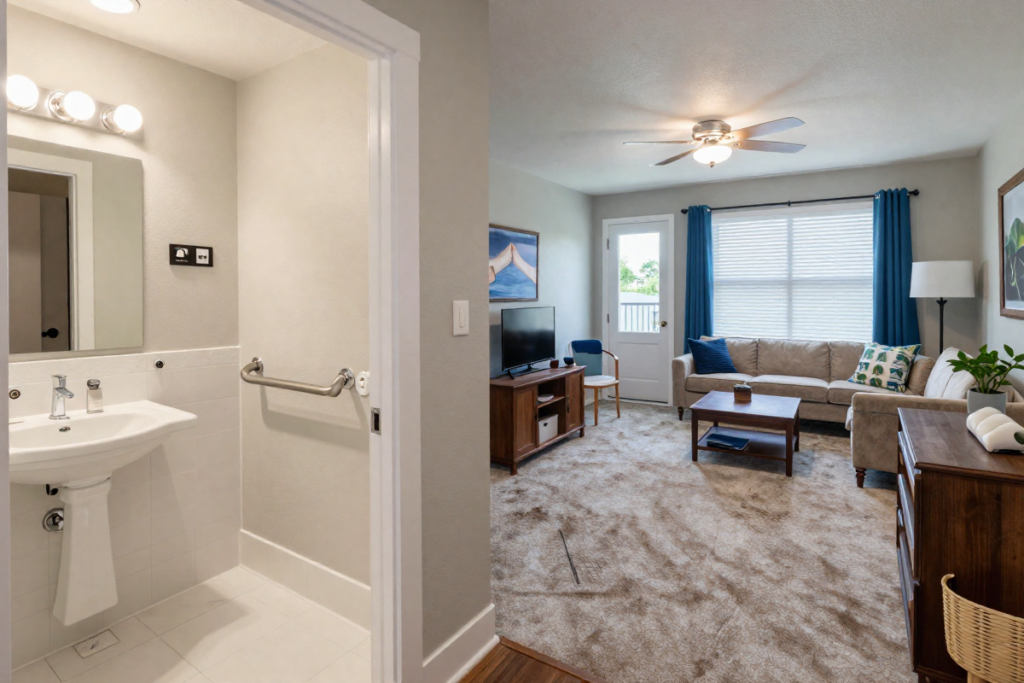
Learning how to make a home safe for elderly parents is one of the highest-impact things you can do. Most dangerous accidents happen in predictable locations. Here’s where to focus your energy.
Senior-Proofing the Bathroom (The Highest Risk Zone)
The bathroom is where bathroom safety for elderly individuals becomes critically urgent. Wet, slick surfaces combined with the physical exertion of bathing create a perfect storm for falls. Standard bathtubs — which require stepping over a high ledge — are genuinely dangerous for older adults with limited mobility, balance issues, or joint pain.
Walk-in tubs vs. shower for elderly safety: Walk-in tubs eliminate the step-over risk but require the user to enter before filling and wait to drain before exiting, which can be uncomfortable. Roll-in or walk-in showers with a low or zero threshold are often considered the superior option for aging in place safety, offering easier access and faster egress.
Essential bathroom modifications:
- Install grab bars on the wall beside the toilet, inside the shower, and at the tub entry — not suction-cup versions, but wall-anchored bars rated for 250+ lbs. (→ High Quality Suction Cup Grab Bars)
- Place a shower chair or bench inside the shower to eliminate the need to stand for extended periods. A raised toilet seat reduces the strain of sitting and standing. (→ Heavy-duty shower bench and raised toilet seat)
- Cover every wet surface with non-slip bath mats with strong suction backing. (→ Premium non-slip bath mats for elderly)
Kitchen Safety Tips for Elderly Living Alone
“Mom burned herself cooking” is one of the most common concerns adult children raise — and it’s entirely understandable. The kitchen presents real elderly fire safety risks, particularly for seniors experiencing cognitive changes or reduced reaction time.
Key kitchen safety strategies:
- Install an automatic stove shut-off device that cuts power after a set period of inactivity — one of the most effective tools for preventing kitchen fires. (→ Automatic stove shut-off device)
- Add stove knob covers to prevent accidental ignition, especially important for seniors with dementia. (→ Stove knob covers for dementia safety)
- Replace difficult-to-grip utensils with ergonomic, senior-friendly kitchen tools featuring large, cushioned handles. (→ [Ergonomic senior kitchen utensil set)
- Store frequently used items at counter height to eliminate the need for reaching overhead or bending low.
Bedroom Safety Modifications for Seniors
Nighttime is high-risk. Older adults who wake to use the bathroom are disoriented, often without their glasses, moving through darkness with sleep-slowed reflexes. Bedroom safety modifications for seniors focus on making that transition from sleep to standing as safe as possible.
- Install adjustable bed rails on one or both sides of the bed to provide a grip point when rising. (→ Adjustable senior bed rail)
- Add motion-activated under-bed LED lighting that illuminates the floor the moment movement is detected. This single addition significantly reduces nighttime fall risk. (→ Motion-activated under-bed night light)
- Ensure the path from bed to bathroom is completely clear of obstacles and that the bedroom phone or medical alert device is within arm’s reach of the bed.
Lighting Improvements & Flooring Adjustments Throughout the House
Vision impairment in elderly adults is a major, often overlooked, fall risk factor. Dim hallways, dark stairwells, and cluttered floors create an obstacle course that even a healthy adult would navigate carefully.
Critical rule: Remove all throw rugs immediately. This is non-negotiable. Throw rugs are among the leading causes of trips and falls in senior homes. If a rug absolutely cannot be removed for cultural or practical reasons, secure every edge with heavy-duty double-sided rug tape. (→ Heavy-duty double-sided rug tape)
- Place plug-in motion-sensor nightlights in every hallway, bathroom entry, and stairwell. (→ Motion-sensor smart nightlights (6-pack))
- Increase overall bulb wattage throughout the home. Seniors typically need two to three times more light than younger adults to see clearly.
- Secure loose carpet edges with tack strips and consider low-pile, non-slip flooring solutions in high-traffic areas.
3. Fall Prevention for Elderly Parents: Gear and Habits
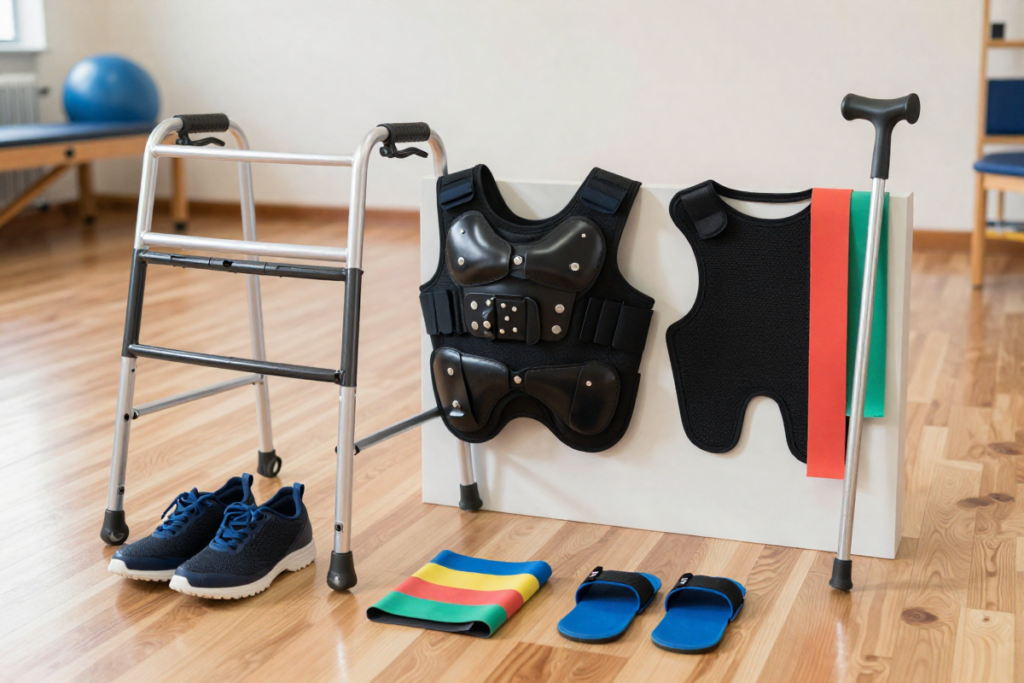
Fall prevention for elderly family members is arguably the single most impactful focus area in all of home safety for seniors. Falls cause fractures, traumatic brain injuries, loss of confidence, and a rapid decline in overall independence.
Why Do Elderly People Keep Falling?
Understanding the root causes helps you address them directly. The physiological culprits include:
- Sarcopenia: Age-related muscle loss that reduces strength and reaction time, making it harder to catch a stumble before it becomes a fall
- Inner-ear changes: The vestibular system degrades with age, directly impairing balance
- Vision decline: Reduced depth perception and contrast sensitivity make it harder to detect uneven surfaces
- Polypharmacy side effects: Many common medications — including blood pressure drugs, sleep aids, and antihistamines — cause dizziness or orthostatic hypotension (a sudden drop in blood pressure when standing)
- Osteoporosis: Doesn’t cause falls but dramatically increases the severity of injury when falls occur
Safe Balance and Strength Exercises for Older Adults
Physical therapy and regular movement are among the most evidence-based interventions for senior fall prevention. Recommend these to your parent’s physician for a formal referral:
- Tai Chi: Proven in multiple clinical studies to reduce fall frequency significantly
- Single-leg standing exercises: Practiced near a wall for safety
- Heel-to-toe walking: Improves coordination and gait stability
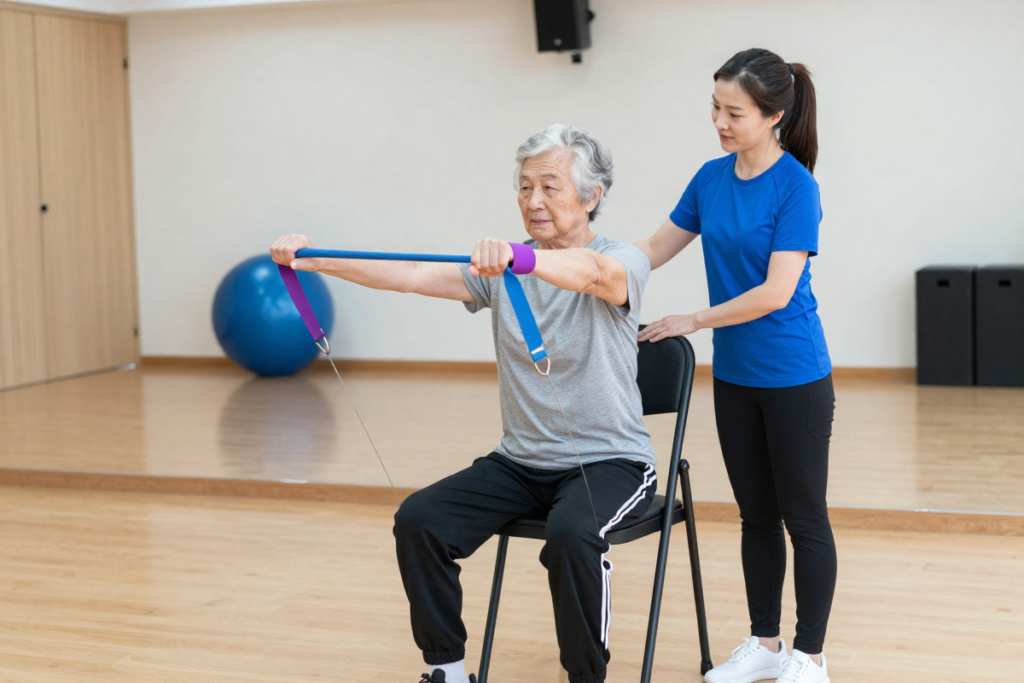
- Chair-based strength training: Resistance band exercises for leg and core strength combat sarcopenia directly
Many community senior centers and YMCAs offer free or low-cost balance and fall prevention classes specifically designed for older adults.
The Essential Fall Prevention Checklist & Wearables
Beyond exercise, equip your parent with the right gear:
- Non-slip footwear: Proper shoes are foundational. Look for rubber non-slip soles, low heels, and firm heel counters — worn inside the house, not socks or slippers. (→ Best non-slip shoes for elderly fall prevention)
- Mobility aids: A well-fitted walker, rollator, or ergonomic cane provides the third point of contact that dramatically improves stability. (→ Top-rated rollator walker for seniors])
- Hip protectors: Wearable padded garments that absorb impact during a fall, reducing hip fracture risk — especially valuable for those with osteoporosis. (→ Discreet hip protector underwear for seniors)
4. Technology & Smart Home Devices for Elderly Safety
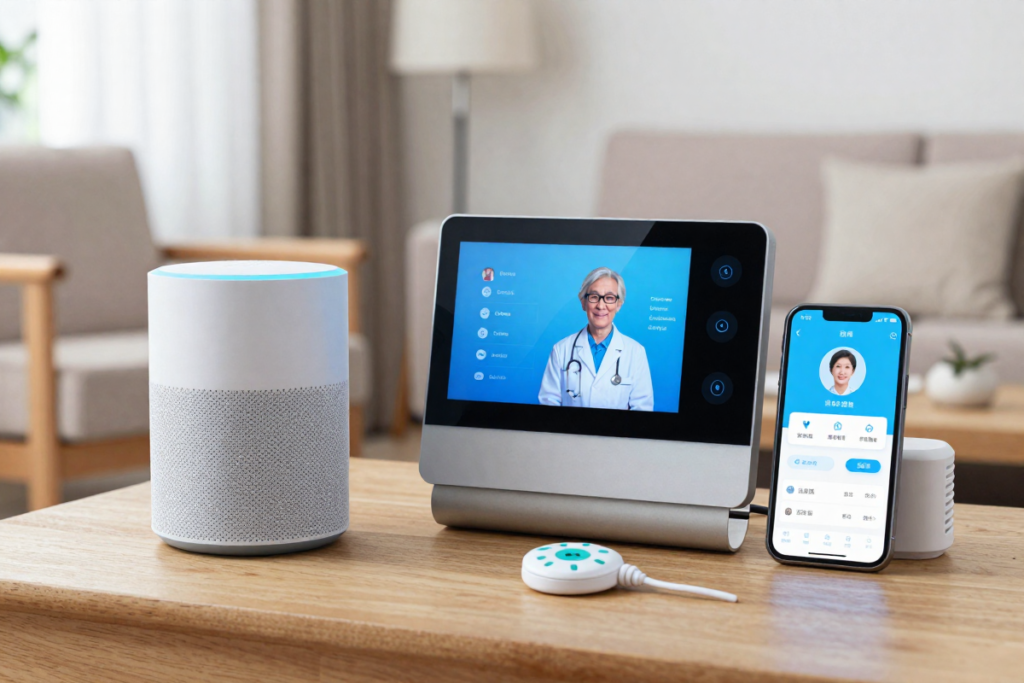
Modern technology has transformed what’s possible for aging in place safety. Smart home devices for elderly safety range from simple nightlights to sophisticated AI-powered monitoring systems.
Medical Alert Systems for Seniors: PERS vs. Wearables
A Personal Emergency Response System (PERS) is a device that connects a senior to emergency services or a monitoring center at the press of a button. The classic version is a pendant worn around the neck. Modern iterations are far more sophisticated.
How much does a medical alert system cost, and do they really work? Most systems range from $20–$50/month for monitoring service, with some requiring an upfront device purchase. Yes, they genuinely work — and newer models with automatic fall detection activate even if the user is unconscious or unable to press the button. This is a critical feature for seniors living alone.
Look for systems featuring GPS capability for seniors who are active outside the home, two-way communication, and cellular connectivity that doesn’t require a landline. (→ Top-rated medical alert system with automatic fall detection)
Smart Home Monitoring for Peace of Mind
Can Alexa or smart speakers help monitor elderly parents? Yes — with caveats. Amazon’s Alexa Together service, for example, allows family members to check in remotely, set medication reminders, and receive activity alerts. However, voice assistants work best as a supplement to, not a replacement for, a dedicated safety system.
For families concerned about fall patterns or inactivity, motion sensor alarms for elderly at home and strategically placed video monitoring systems can provide valuable peace of mind. Always discuss camera placement openly with your parent — privacy and dignity matter enormously. (→ Smart indoor motion sensor monitoring system)
Special Focus: Wandering Prevention for Dementia & Alzheimer’s
Wandering is one of the most dangerous behaviors associated with Alzheimer’s and dementia. Sundowning — increased confusion and agitation in the late afternoon and evening — significantly elevates this risk. Seniors can walk out a door and become completely disoriented within minutes.
Effective solutions include:
- GPS tracking devices for seniors with dementia worn as a watch or discreet clip, allowing real-time location monitoring from a smartphone. (→ GPS tracking wearable for seniors with dementia)
- Wander alarm systems placed on doors and windows that alert caregivers when a threshold is crossed. (→ Specialized wander alarm door sensor system)
- Door handle covers and high-mounted deadbolts that are out of the typical visual field of someone with dementia.
5. Elderly Medication Safety & Health Protocols
Elderly medication safety is one of the most technically complex aspects of senior care — and one of the most dangerous when mismanaged.
Navigating Polypharmacy and Drug Interactions
Polypharmacy — the simultaneous use of multiple medications — is extremely common in older adults, with many seniors taking five or more prescriptions daily. The problem is that drug interactions multiply with each added medication, and aging bodies process pharmaceuticals differently than younger ones.
The Beers Criteria, published by the American Geriatrics Society, is a clinically recognized list of medications considered potentially inappropriate for older adults. It includes many commonly prescribed drugs — certain sleep aids, muscle relaxants, and antihistamines — that pose elevated risks of falls, cognitive impairment, or cardiovascular events in seniors. Ask your parent’s physician to review their medications against this standard annually.
Tools for Flawless Medication Management
Preventing double-dosing, missed doses, and confusion requires systems, not willpower:
- Automatic smart pill dispensers with locking compartments, auditory alarms, and caregiver alerts for missed doses are among the most effective tools available. (→ Automatic locking smart pill dispenser with alarm)
- Bluetooth-enabled smart blood pressure monitors allow both the senior and their remote caregiver to track trends over time, catching dangerous changes early. (→ Bluetooth smart blood pressure monitor for home use)
- Maintain a single, updated medication list — including dosages and prescribing physician — that travels to every medical appointment and lives on the refrigerator for emergency responders.
Dehydration, Choking, and Thermoregulation Risks
Three secondary health risks often fly under the radar:
Dehydration: Older adults have a diminished thirst sensation, making them chronically under-hydrated without realizing it. Dehydration causes confusion, dizziness, and dramatically increases fall risk. Set phone reminders or use a marked water bottle to track daily intake.
Dysphagia (swallowing difficulties): A surprisingly common condition in aging adults, dysphagia creates serious choking risk. Signs include coughing during or after meals, a wet or gurgling voice, or frequent throat clearing. A speech-language pathologist can assess and recommend appropriate food textures and swallowing strategies.
Thermoregulation: Older adults are significantly more vulnerable to both heat-related illness and hypothermia because the body’s ability to regulate internal temperature diminishes with age. Keep home temperatures consistent, and check on elderly parents during extreme weather events.
6. Protecting Aging Parents from Scams and Exploitation

Elderly abuse prevention extends far beyond the physical. Financial exploitation and targeted scams represent a massive and growing threat to senior citizen safety.
Identifying Financial Exploitation & Modern Scams
Seniors lose an estimated $28 billion annually to financial exploitation in the United States. Common schemes include:
- Phone and email phishing scams impersonating Medicare, the IRS, or Social Security Administration
- Grandparent scams where a caller claims to be a grandchild in urgent legal trouble requiring immediate wire transfer
- Romance scams conducted over social media or email, often over months
- Home repair fraud targeting homeowners after storms or disasters
Warning signs of financial exploitation include unexpected large bank withdrawals, new “friends” with unusual financial influence, unpaid bills despite adequate income, or signatures on financial documents the senior doesn’t remember signing.
Recognizing Elder Abuse and Neglect
Physical and emotional markers of elder neglect or mistreatment include:
- Unexplained bruising, welts, or burns
- Extreme withdrawal, fearfulness, or agitation around specific caregivers
- Bedsores or signs of poor hygiene indicating neglect
- Sudden changes in mood, personality, or alertness
If you suspect abuse — whether from a home care provider or a facility — document everything with dated notes and photographs. Report concerns immediately to Adult Protective Services (APS) in your state (find your local APS at eldercare.acl.gov) and, if you believe a crime has been committed, to local law enforcement.
7. Caregiver Safety: Preventing Burnout While Protecting Your Parent
Caregiver safety tips aren’t just about the person receiving care. The caregiver’s physical and mental health is equally important — and often equally neglected.
Safe Physical Transfer Techniques
Back injuries are extremely common among family caregivers who lift or transfer an elderly person without proper technique. Follow these ergonomic principles:
- When lifting from bed: Position yourself close to your parent, bend at the knees (not the waist), keep your back straight, and use your legs to power the lift
- When transferring from a wheelchair: Lock the wheelchair wheels, position yourself at the side, have the patient place their hands on your shoulders (not around your neck), and pivot slowly
- Never attempt a two-person lift alone. If your parent cannot assist in the transfer, a mechanical lift or transfer belt may be necessary.
Managing Caregiver Burnout
Caregiver burnout is real, it’s common, and it directly compromises the safety of the person being cared for. Signs include chronic exhaustion, resentment, social withdrawal, and declining physical health in the caregiver themselves.
Respite care — temporary relief care provided by a professional in-home aide, an adult day program, or a short-term residential stay — is not a luxury. It is a safety measure. The Family Caregiver Alliance (caregiver.org) offers resources for finding local respite care options. Taking breaks doesn’t make you a worse caregiver. It makes you a sustainable one.
Creating a Senior Emergency Preparedness Plan
Natural disasters, power outages, and sudden medical events require specific planning for households with limited mobility. Your senior emergency preparedness plan should include:
- A 72-hour emergency kit that includes all medications (with list), water, non-perishable food, flashlights with fresh batteries, and copies of medical documents
- Power outage protocol for anyone dependent on oxygen concentrators, electric hospital beds, or other powered medical equipment — register with your utility company’s medical priority list
- A contact card posted in the kitchen listing emergency contacts, the senior’s physician, and all current medications
- A clear evacuation plan that accounts for mobility limitations, including who will assist and what routes are accessible
Frequently Asked Questions (FAQs)

Q: What are the most common safety hazards for elderly people at home? The most common hazards include slippery bathroom surfaces, loose throw rugs, poor lighting, cluttered pathways, unsecured stairways, and medication mismanagement. Falls account for the majority of serious injuries, with bathrooms and bedrooms representing the highest-risk zones.
Q: What medications increase fall risk in older adults? Medications that most commonly increase fall risk include benzodiazepines (sleep aids and anti-anxiety drugs), blood pressure medications (which can cause dizziness upon standing), diuretics, certain antidepressants, antihistamines, and muscle relaxants. The Beers Criteria is the clinical reference guide for identifying high-risk prescriptions in seniors.
Q: How often should you check on elderly parents living alone? There is no universal answer, as it depends on the parent’s health status and level of independence. As a general guideline, daily phone or video contact is advisable for most seniors living alone. In-person visits should occur at least weekly. Those with cognitive decline, recent falls, or multiple health conditions may warrant multiple daily check-ins or a medical alert system with activity monitoring.
Q: What should you do immediately after an elderly person falls? Do not move them immediately. Assess for serious injury: check for severe pain, inability to move a limb, head injury, or loss of consciousness — call 911 if any are present. If they are uninjured and can move, help them roll to their side, then onto their hands and knees, and use a sturdy chair to push up slowly. Even without obvious injury, follow up with a physician, as internal injuries and hairline fractures may not be immediately apparent.
Q: Are space heaters safe for elderly people? Space heaters carry meaningful risks for elderly users, including fire hazard from contact with fabrics, carbon monoxide risk with fuel-burning models, and burn risk from direct contact. If a space heater is necessary, choose a model with automatic shut-off, tip-over protection, and cool-touch housing. Never leave it unattended or running overnight. Electric blankets with automatic timers are often a safer alternative for warming a bed.
Conclusion: Taking the First Step Toward a Safer Home

Here’s the most important thing to remember: senior-proofing a home is not about taking away your parent’s independence — it’s about protecting it. Every grab bar installed, every throw rug removed, and every medication properly organized is a direct investment in your parent’s ability to stay in their own home, on their own terms, for as long as possible.
That’s the true goal of aging in place. Not just survival, but dignity.
If you’ve read this entire guide and feel overwhelmed by the scope of it, that’s completely understandable. Don’t try to overhaul everything at once.
Start this weekend with one high-impact change: Walk into the bathroom with fresh eyes and ask yourself whether it would be safe at 3 AM, in the dark, for someone with stiff joints and imperfect balance. If the honest answer is no, start there. Add a grab bar. Place a non-slip mat. That single afternoon of effort might be the most important thing you do this year.
From there, work through this guide room by room, category by category. Your parent’s safety — and your own peace of mind — is absolutely worth it.
Disclaimer: This article contains affiliate links. If you purchase an item through the link I will earn a small commission at no extra cost to you.
No Responses