I. Introduction
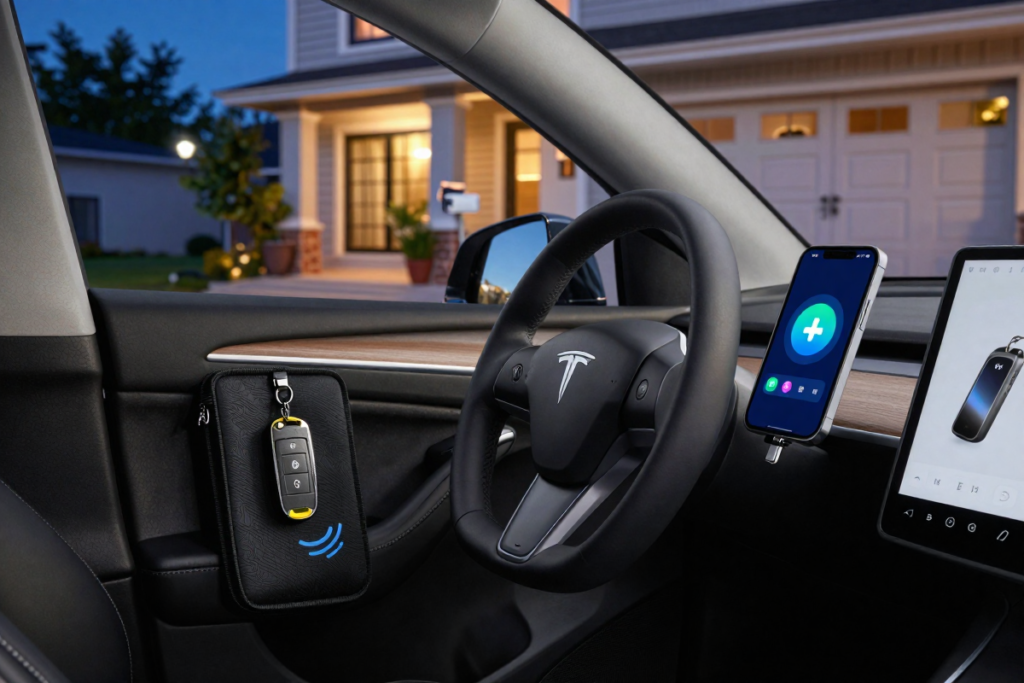
Every 26 seconds, a car is stolen somewhere in the United States. What’s more alarming? Modern car thieves can steal a vehicle in under 60 seconds—without breaking a window or hotwiring a single wire. Using sophisticated techniques like relay attacks that intercept keyless fob signals and OBD port hacking that programs new keys in seconds, today’s criminals have evolved far beyond the era of screwdrivers and steering column tampering.
The harsh reality: Your car’s factory security system is no longer enough. Standard immobilizers and alarm systems that were cutting-edge five years ago have become predictable targets for tech-savvy thieves. Whether you drive a budget-friendly Kia, a luxury sedan, or an older model with manual locks, your vehicle is at risk.
But there’s good news: implementing a layered car security approach can deter the vast majority of theft attempts. By combining physical deterrents, electronic immobilization, and tracking technology, you create multiple barriers that make stealing your car exponentially harder—and thieves will simply move on to easier targets.
This comprehensive guide answers the core question every car owner asks: “What is the best way to stop my car from being stolen?” We’ll walk you through proven car anti-theft devices, explain how modern theft works, and provide you with a strategic framework to protect your vehicle using the three layers of defense.
Whether you own a high-theft-risk vehicle or want peace of mind in a high-crime area, you’ll discover which car alarm systems, steering wheel locks, kill switches, GPS car trackers, and other security solutions actually work—and which ones are worth your money.
II. Understanding the Threat: How Modern Car Theft Works
Before investing in protection, it’s critical to understand what you’re protecting against. Car theft has transformed from a crime of brute force into a crime of precision and technology. Modern thieves operate in sophisticated networks, targeting specific vehicle models and exploiting well-known vulnerabilities.
The Modern Threat Landscape
Today’s car theft prevention requirements are vastly different from yesterday’s. Thieves now use relay amplifiers, signal cloners, and OBD diagnostic tools that cost less than $100 online. They’ve weaponized the very technologies that were supposed to make cars safer.
Key Theft Methods Defined
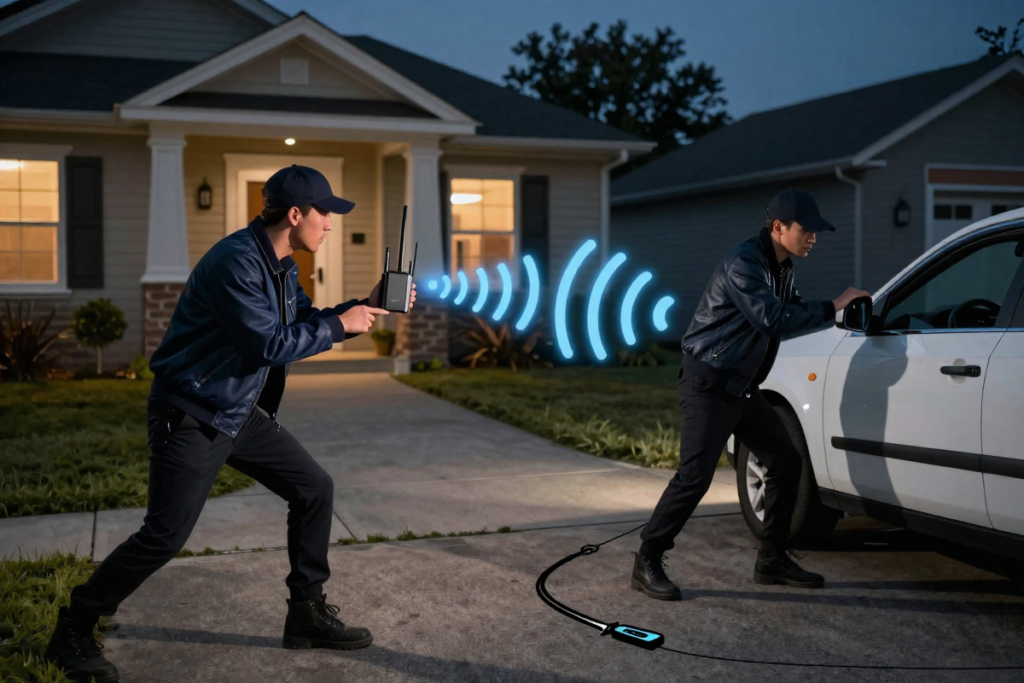
Relay Attacks / Relay Theft A relay attack is perhaps the most devastating vulnerability in modern keyless entry security. Here’s how it works: Two thieves position themselves near your parked car—one near your home’s front door where your key fob is located, the other near your vehicle. Using a relay amplifier device, the thief at your door captures the signal from your key fob and transmits it to their partner at the car. To the car’s system, it appears your fob is present and authorized. The vehicle unlocks and starts instantly. The entire process takes less than 60 seconds and leaves no trace.
OBD Port Hacking The On-Board Diagnostics (OBD) port—typically located under your steering column—is designed for mechanics to access your vehicle’s computer system. However, in the wrong hands, this port becomes a gateway for car thieves. By plugging in a specialized tool (available for $50-$300), hackers can reprogram your vehicle’s immobilizer, generating a new key code without needing the original. On many vehicles, this takes just seconds.
CAN Bus Injection The Controller Area Network (CAN bus) is the electronic backbone of your vehicle. Some thieves exploit vulnerabilities in this system by injecting malicious commands through accessible connection points (sometimes as simple as headlight or bumper connectors). This method is more technical but bypasses multiple security layers simultaneously.
The TikTok Trend: Kia & Hyundai Vulnerability Beginning in 2021, a viral TikTok challenge exposed a critical vulnerability in certain Kia and Hyundai models manufactured between 2015-2021. These vehicles lack an immobilizer chip and use a simple physical key switch to start the engine. Thieves could simply break the steering column cover, manipulate the ignition switch, and drive away in minutes. This vulnerability sparked a nationwide epidemic of thefts of these models, particularly in high-crime areas. Owners of these vehicles need aggressive aftermarket security measures.
Why You Need Aftermarket Solutions: Factory security systems were designed with assumptions about how theft would occur. Modern thieves have invalidated many of those assumptions. Even if your car has a factory alarm or immobilizer, determined criminals know how to bypass them. This is why security experts universally recommend layering multiple aftermarket car anti-theft devices regardless of your vehicle’s age or original manufacturer.
III. The “Layered Security” Strategy: Your Framework for Complete Protection
The key principle of effective car security is simple: Security is about buying time. A determined thief with enough time and tools can steal almost any car. Your job is to make stealing your car so time-consuming and difficult that thieves move on to easier targets.
Think of car security like defending a castle. A single wall can be breached. But walls stacked upon walls, with different defenses at each level, require exponentially more time and effort to penetrate.
The Three Layers of Defense
Layer 1: Visible & Physical Deterrents These are the “stop them from trying” devices. A prominent steering wheel lock, visible brake pedal lock, or wheel clamp sends a clear message: this car is harder to steal than the others on the street. Visible deterrents make your vehicle an unattractive target before thieves even attempt entry.
Layer 2: Electronic Immobilization These devices “stop them from starting the engine.” Even if a thief manages to break into your car and turn the ignition, electronic barriers like car immobilizer chips, kill switches, and advanced car alarm systems with engine-disable features prevent the engine from firing. This layer is critical against relay attacks and OBD hacking.
Layer 3: Tracking & Recovery These are your “get the vehicle back if they succeed” solutions. GPS car trackers with real-time location updates, cellular connectivity, and geofencing alerts give law enforcement actionable intelligence to recover your stolen vehicle quickly. Unlike the first two layers (which prevent theft), this layer enables recovery.
The most effective car owners combine all three layers, creating a comprehensive security posture that addresses multiple threat vectors simultaneously.
IV. Layer 1: Physical & Visible Deterrents (High-Volume Protection)
Physical deterrents serve a dual purpose: they make your vehicle mechanically harder to steal and they advertise that your car is protected. A thief evaluates a parking lot full of cars and gravitates toward the path of least resistance. A visible lock or clamp can be the deciding factor.
A. Steering Wheel Locks
How They Work: A steering wheel lock (also called a steering wheel bar) is a steel or reinforced bar that clamps across your steering wheel, physically locking it in place. When engaged, the steering wheel cannot rotate, making the vehicle impossible to steer even if the engine starts. A thief would need to cut through hardened steel or dismantle the steering column—both time-consuming and loud.
The Psychological Factor: Steering wheel locks are among the most visible anti-theft deterrents. When a potential thief peers through your car window and sees a prominent lock bar, they instantly recognize your vehicle as a harder target. This visibility is a feature, not a bug—it’s designed to deter in the first glance.
Best-in-Class Options:
| Product | Type | Best For |
|---|---|---|
| [Disklok Steering Wheel Lock] | Premium heavy-duty | Maximum security; vehicles in high-theft areas |
| [The Club 3000 Twin Hooks] | Classic/budget | Affordable, visible deterrent; proven design |
| [Tevlaphee Steering Wheel Lock] | Mid-range quality | Good balance of durability and price |
Key Considerations When Choosing:
- Material: Look for hardened steel that resists cutting tools
- Fit: Ensure it fits your specific steering wheel size and shape
- Ease of Use: You’ll use this daily, so quick installation/removal matters
- Visibility: Brightly colored models provide better deterrent value
B. Brake Pedal & Wheel Locks
How They Work: A brake pedal lock clamps down on your brake and/or clutch pedal, making it physically impossible to engage the brakes—or in some models, preventing the pedal from being depressed at all. Without brake control, the vehicle cannot be driven safely, even if the engine starts.
Wheel clamps (tire lock clamps) are more aggressive. These devices encircle your wheel and are connected to the vehicle frame with a steel cable. Even if a thief gets your car running, the locked wheel prevents driving.
Best Applications:
- Brake Pedal Locks: Ideal for vehicles parked in your driveway or relatively secure locations. Excellent for overnight parking.
- Wheel Clamps: Best for long-term parking (airport trips, extended vacations) and apartment complexes where vehicles sit unattended for days.
Recommended Options:
- [GET HERE: Heavy-Duty Steel Clutch/Brake Pedal Lock Clamp] — Professional-grade steel construction
- [GET HERE: Heavy-Duty Tire Lock Clamp] — For vehicles at airports and long-term parking
C. Specialty Protection: Catalytic Converter Locks
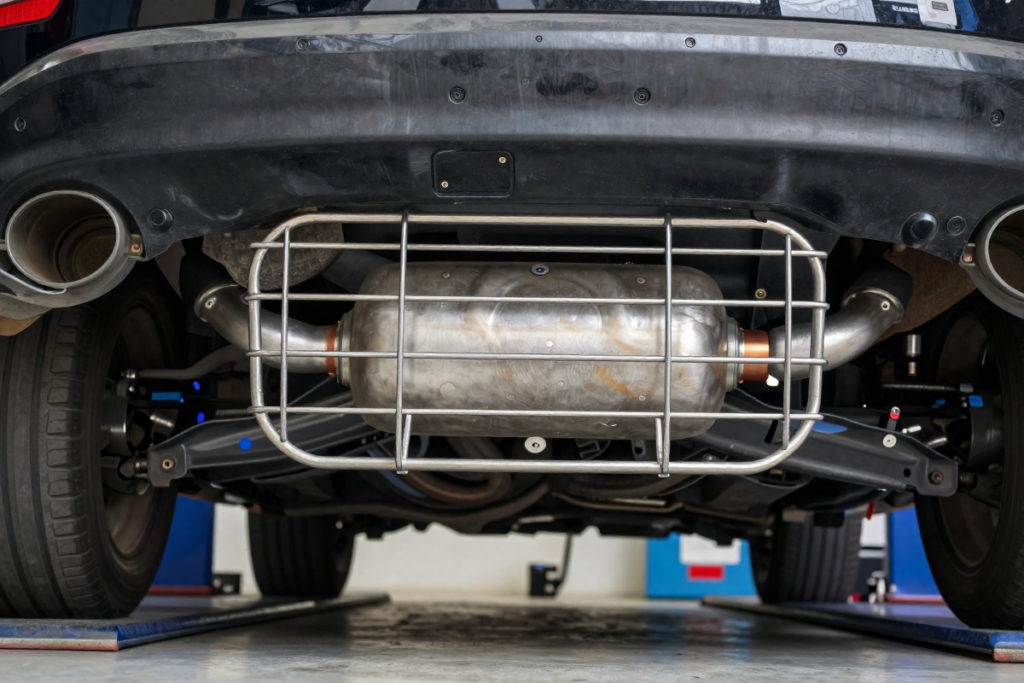
The Catalytic Converter Theft Epidemic: Catalytic converter theft has skyrocketed in recent years. These devices contain precious metals (platinum, palladium, rhodium) worth $50-$300+ on the black market. A thief with a battery-powered reciprocating saw can cut one free in under 5 minutes, often without triggering alarms or waking vehicle owners.
Hybrids and luxury vehicles are prime targets due to their larger, more valuable converters. But any vehicle is at risk.
Prevention Methods:
- Protective Shields & Cages: Steel or aluminum shields that surround the catalytic converter, making it difficult to access with cutting tools
- Anti-Theft Clamps: Locking devices that encircle the converter and anchor it to the vehicle frame
Recommended Products:
- [GET HERE: CatClamp Catalytic Converter Anti-Theft Lock] — Highly effective locking mechanism
- [GET HERE: Catalytic Converter Protective Shield/Cage] — Physical barrier approach
Key Fact: If you drive a Prius, Honda Civic, or luxury vehicle in a high-crime area, catalytic converter protection should be a priority. Many insurance companies offer discounts for these devices.
V. Layer 2: Electronic Security & Immobilization (Stopping Engine Start)
Physical locks are excellent deterrents, but a determined thief might break through. Electronic systems add a second barrier: even if they bypass your visible locks and break into the cabin, the engine won’t start without the correct electronic signal.
A. Advanced Aftermarket Car Alarms
A modern car alarm system does far more than make noise. Advanced systems include:
- Motion Detectors: Trigger alarms if the car is bumped, tilted, or moved
- Glass Break Sensors: Detect the acoustic signature of breaking glass
- Door & Trunk Sensors: Alert if any entry point is forced
- Two-Way Paging: Sends alerts to your smartphone when motion is detected, even if the alarm siren doesn’t wake you
- Engine-Disable Features: Some systems cut fuel or ignition to prevent the engine from starting
What to Look For:
- Smartphone Integration: Receive real-time notifications on your phone—critical for alarm response
- Two-Way Communication: The system confirms receipt of your disarm command
- Multiple Sensor Types: Motion, tilt, and glass break sensors create layered detection
- Professional Installation: Complex systems require expert wiring to avoid false triggers
Top-Tier Options:
| System | Type | Best For |
|---|---|---|
| [Viper 5706V 2-Way Security System] | Premium | Advanced features, smartphone app, engine-disable |
| [Compustar CS7900-AS Smart Alarm] | Mid-range | Balanced features, smartphone alerts |
| [Pandora Car Alarm System] | Budget-friendly | Basic protection, audible deterrent |
Installation Cost Consideration: Professional installation typically runs $300-$800, but proper wiring is essential for reliability. A poorly installed system may trigger false alarms and drain your battery.
B. Kill Switches & Immobilizers
A kill switch for car theft prevention is one of the most cost-effective electronic upgrades you can make. Here’s how it works:
Hidden Kill Switch Design: A kill switch interrupts a critical electrical circuit—typically the fuel pump, ignition, or starter. Without this circuit active, the engine cannot turn over, even if the thief successfully turns the key or presses the start button.
The “hidden” aspect is crucial. A thief might hot-wire the ignition, but if they don’t know about or can’t locate the hidden kill switch, they’re stuck.
Modern Example: The Ghost Immobiliser (Autowatch) The Ghost is a sophisticated car immobilizer that integrates directly into your vehicle’s CAN bus system (the network of computer modules that control your car). Instead of cutting a simple wire, it requires a specific sequence of button presses on your factory controls (steering wheel, door handles, instrument panel) to allow the engine to start.
Benefits:
- No visible wires or components (completely hidden)
- Cannot be bypassed by traditional hot-wiring or relay attacks
- Unique sequence known only to you
- Works with push-button start vehicles
- Requires professional installation ($400-$600)
Fuel Pump Kill Switch (DIY-Friendly Option): A simpler kill switch targets the fuel pump relay. When disengaged, fuel cannot reach the engine. Most car owners can install this themselves with basic electrical knowledge, costing $30-$100 in parts.
Best Applications:
- Ghost Immobiliser: Owners of keyless-entry vehicles, high-theft-area residents, luxury vehicles
- Fuel Pump Kill Switch: Budget-conscious owners, older vehicles, DIY mechanics
C. OBD Port Locks
The On-Board Diagnostics (OBD-II) port is a small connector beneath your steering wheel. Mechanics use it to scan engine codes and diagnose problems. Thieves use it to reprogram your immobilizer.
An OBD port lock physically prevents access to this port. Some are simple mechanical covers; others are locking devices that require a key to open.
Effectiveness: High against thieves using OBD reprogramming tools, but only one layer of defense. Should be combined with other electronic protection.
Recommended Products:
- [GET IT HERE: OBD Port Lock/Blocker] — Mechanical security solution
VI. Layer 3: Tracking & Stolen Vehicle Recovery
If a thief manages to overcome your physical and electronic defenses, your final line of defense is recovery technology. A GPS car tracker transforms your stolen vehicle from a permanent loss into a recoverable asset.
A. GPS Car Trackers: Real-Time vs. No-Subscription Options
Real-Time GPS Trackers (With Cellular Subscription): These devices send your vehicle’s location to your smartphone every few seconds using cellular networks. Features typically include:
- Real-Time Tracking: Live map view of your vehicle’s location
- Speed & Geofencing Alerts: Notified if your car exceeds a set speed or leaves a designated area
- Historical Route Logging: Review where your car traveled
- Two-Way Communication: Some integrate with your vehicle’s systems
Cost Structure: $15-$40/month for cellular service, plus $100-$400 for the device.
No-Subscription Trackers (Bluetooth/Passive): Devices like Apple AirTags and Samsung SmartTags use Bluetooth and crowdsourced location networks. If your car is stolen and driven through areas with many AirTag users, you’ll receive location pings.
Limitations: Cannot track in real-time; relies on other users’ devices nearby; effectiveness in rural areas is poor.
Top Recommendations:
| Tracker | Type | Best For |
|---|---|---|
| [Bouncie GPS Tracker] | Real-time cellular | Professional tracking, multiple device integration |
| [LandAirSea 54 GPS Tracker] | Real-time cellular | Compact, affordable monthly plans |
| [Apple AirTag] | Bluetooth passive | Low-cost backup tracker, urban areas |
| [Samsung SmartTag] | Bluetooth passive | Android users, budget backup solution |
Strategic Approach: Consider using a combination: A professional GPS car tracker as your primary recovery tool, with a hidden AirTag as a backup. The cost ($200-$400 + $20/month) is minimal compared to the value of your vehicle.
Police Cooperation: Real-time tracking significantly improves recovery rates. When you report a stolen vehicle and can provide live GPS coordinates, law enforcement can pursue the theft actively rather than filing a report for later investigation.
VII. Keyless Entry & Smart Tech Protection: Defending Against Relay Attacks
Keyless entry systems (proximity fobs that unlock when near your car) have become standard on most vehicles made after 2010. Unfortunately, they’re also a primary target for relay attackers.
Understanding and Preventing Relay Attacks
The Attack: As discussed earlier, relay attacks use amplifiers to extend your key fob’s signal range. A thief outside your home captures your fob’s signal and relays it to their partner at your car. Both unlock and ignition occur wirelessly, often in under 60 seconds.
Defense Strategy 1: Signal-Blocking Faraday Solutions
A Faraday pouch for car keys (also called a signal-blocking pouch) is lined with conductive material that blocks radio signals from escaping. When your key fob is stored in this pouch, relay attackers cannot capture its signal.
How to Use:
- Store your key fob in a Faraday pouch overnight and when parked at home
- Keep the pouch in your entryway, bedroom, or garage
- The blocking is immediate—no batteries or activation required
Recommended Products:
- [GET IT HERE: Premium Multi-Pack Faraday Pouches] — Multiple pouches for different locations
Effectiveness: Nearly 100% against relay attacks, assuming your keys remain in the pouch when parked.
Defense Strategy 2: Additional Electronic Safeguards
- Disable Keyless Ignition: Many vehicles allow you to deactivate keyless entry in settings, reverting to physical key start
- Aftermarket Immobilizers: Combined with a kill switch, makes keyless entry less relevant
- GPS Tracking: Even if relay attackers take your car, you can track and recover it
Combining Defenses: The most secure approach layers these strategies:
- Faraday pouch at night + physical steering wheel lock + hidden kill switch + GPS tracker
VIII. Value-Add: Car Theft Prevention Tips & Insurance Discounts
Beyond devices, behavioral and environmental factors significantly impact theft risk.
Zero-Cost Anti-Theft Practices
- Turn Your Wheels Toward the Curb: When parking on a street, turn your steering wheel sharply toward the curb. If a thief manages to disable your steering lock and start the engine, the angled wheel will cause the vehicle to immediately strike the curb, preventing escape. It’s a simple action that costs nothing.
- Park in Well-Lit, High-Visibility Areas: Thieves avoid areas with natural surveillance. Parking under streetlights or near busy storefronts dramatically reduces theft risk. In parking garages, choose spots near elevators and exits, not dark corners.
- Use Security Cameras as Deterrent Signals: If your parking area has visible security cameras, park nearby. Thieves know they’re on film, increasing apprehension risk.
- VIN Etching: Etching your Vehicle Identification Number on windows and major parts makes stolen vehicles harder to sell and parts to strip. Many police departments offer free VIN etching at community events.
- Remove Valuables: Visible electronics, phones, or valuables on your seat tempt smash-and-grab thieves. Even an empty car appears like an easier target if the thief spots a laptop or purse.
Financial Benefits: Insurance Discounts
Many insurance companies offer comprehensive coverage discounts (5-15% reductions) for vehicles with approved anti-theft devices, particularly:
- Alarms & Immobilizers: 10-15% discount
- GPS Trackers: 10-20% discount (higher discount due to recovery capability)
- Steering Wheel Locks & Physical Deterrents: 5-10% discount
Example Calculation: If your comprehensive insurance costs $300/year and you qualify for a 10% discount, that’s $30/year in savings. A $200 GPS car tracker investment pays for itself in under 7 years—and that’s just from the insurance discount, not including the peace of mind and recovery capability.
IX. Frequently Asked Questions (FAQ)
General Questions
Do steering wheel locks actually prevent car theft? Yes, but with important context. A steering wheel lock makes theft significantly harder and more visible, which deters most opportunistic thieves. However, determined thieves with cutting tools can eventually bypass one. This is why steering wheel locks are Layer 1 (deterrent) in a multi-layer strategy, not a standalone solution.
Can a thief bypass a car immobilizer? Factory immobilizers can be bypassed using OBD port hacking or relay attacks. However, modern aftermarket immobilizers like the Ghost are much harder to bypass because they integrate directly with your vehicle’s CAN bus and require a secret button sequence. Combined with other layers of defense, immobilizers are highly effective.
What anti-theft devices do police recommend most? Law enforcement consistently recommends a multi-layer approach: visible deterrent (steering wheel lock) + electronic immobilization (alarm or kill switch) + tracking (GPS). Police note that GPS trackers have the highest recovery success rate because they provide real-time location data.
Are GPS car trackers with no monthly subscription fee worth it? Budget Bluetooth trackers (AirTag, SmartTag) are excellent backup devices for $25-$40, but they shouldn’t be your primary solution. They rely on other users’ devices nearby and can’t provide real-time tracking. Use them as a secondary layer combined with a professional GPS tracker.
How do I protect my keyless entry car from a relay attack? The most effective single action is storing your key fob in a Faraday pouch when parked. Combine this with a visible deterrent (steering wheel lock), electronic immobilization (kill switch), and GPS tracking for comprehensive protection.
Steering Wheel Lock Questions
Are steering wheel locks effective against modern car thieves? Yes, as a visible deterrent and Layer 1 defense. They cannot prevent determined thieves with angle grinders, but they discourage opportunistic theft and signal that your car is protected. Always combine with Layer 2 (electronic) and Layer 3 (tracking) defenses.
What is the best steering wheel lock brand? Top recommendations vary by budget:
- Premium: Disklok (highest security, heaviest)
- Value: The Club 3000 (proven design, affordable)
- Mid-range: Tevlaphee (good durability, reasonable price)
Can a thief cut through a steering wheel lock? With enough time and the right tools (angle grinder, reciprocating saw), yes. A hardened steel lock might take 10-30 minutes to cut through. However, thieves avoid such time-consuming methods. Your goal is to be harder to steal than the car next to you.
Kill Switch & Immobilizer Questions
What is a kill switch and how does it prevent car theft? A kill switch interrupts a critical electrical circuit (fuel pump, ignition, or starter) so the engine cannot turn over without activating the hidden switch. Even if a thief hot-wires the ignition, the engine won’t start. Installation costs $30-$100 for DIY fuel pump switches, or $400-$600 for professional Ghost Immobiliser installation.
Can a car with an immobilizer still be stolen? Factory immobilizers can be bypassed using OBD port hacking or relay attacks. Modern aftermarket immobilizers (especially integrated CAN bus systems like Ghost) are much harder to defeat. Combining an immobilizer with other layers (visible lock, tracking) is most effective.
GPS Tracker Questions
What is the best GPS tracker for car theft recovery? Real-time cellular trackers (Bouncie, LandAirSea 54) offer the best recovery capability with live tracking and geofencing alerts. Choose based on:
- Cellular Coverage: Ensure coverage in your region
- Monthly Cost: Compare $15-$40/month plans
- Integration: Some offer dashboard integration
Are there GPS car trackers with no monthly subscription fee? Bluetooth trackers (Apple AirTag, Samsung SmartTag) have no monthly fee but cannot provide real-time tracking. They’re best as backup devices, not primary trackers.
X. Conclusion: Your Path to Complete Protection
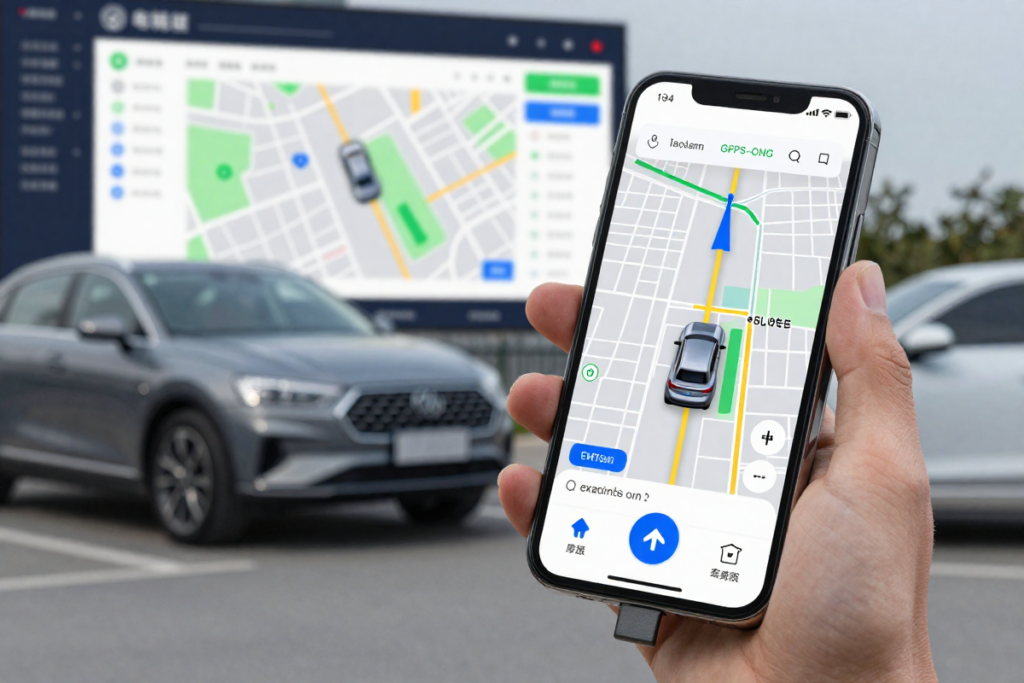
Car theft is not a question of if it can happen—it’s a question of how much friction you create for thieves. A single security measure, no matter how good, has limitations. A steering wheel lock alone can be cut; an alarm alone can be bypassed; a hidden kill switch alone might be circumvented by a dedicated thief.
But layering your defenses creates an entirely different situation:
- Layer 1 (Visible Deterrent): Steering wheel lock signals “this car is protected”
- Layer 2 (Electronic Immobilization): Kill switch or car alarm ensures engine won’t start
- Layer 3 (Tracking & Recovery): GPS tracker enables law enforcement recovery
A thief evaluating your protected vehicle versus the unprotected one next to it will make the logical choice: the easier target.
Your Action Plan:
- Immediately: Get a Faraday pouch for your key fob ($20-$40). Store it at night. This alone prevents relay attacks.
- This Week: Install a visible steering wheel lock ($50-$300, depending on quality).
- This Month: Add either a hidden kill switch (fuel pump, $30-$100 DIY) or invest in a professional immobilizer ($400-$600).
- Ongoing: Install a GPS car tracker ($100-$400 + $15-$40/month) for peace of mind and recovery capability.
Secondary Benefit: This combination of devices may qualify you for a 10-20% insurance discount, potentially offsetting the cost of professional installation.
Your vehicle is a major asset. Protecting it with proper car anti-theft devices is not an indulgence—it’s insurance against a specific, likely threat.
Drop a comment below and share your preferred anti-theft device combination. Have you had experience with any of these solutions? Which layers of security matter most to you?
Additional Resources & Further Reading
Products Mentioned In This Post
Heavy-Duty Steel Clutch/Brake Pedal Lock Clamp
CatClamp Catalytic Converter Anti-Theft Lock
Catalytic Converter Protective Shield/Cage
Viper 5706V 2-Way Security System
Compustar CS7900-AS Smart Alarm
Premium Multi-Pack Faraday Pouches
Disclaimer: Product links may be affiliate links in which I will earn a commission if you choose to purchase the item. There is no additional cost to you.
No Responses